Showing posts with label stone. Show all posts

Monday, March 03, 2008

Stone Un henge


Stone in the landscape is a powerful element, and one which is used to great effect in Japanese gardens which are a particular favourite of mine.
I had three small pieces of stone which I salvaged from a waste site following road construction. (Though small the two larger pieces were about as much as I could lift uncomfortably!) I used the stone to set off small plants at the front of the house where they afforded a little shade to the roots of the young plants. Now that those plants are established I thought the stone could be used to greater effect if placed to break up larger areas of the gravel garden.
Watching the shadows cast by the stone, and how the sun illuminates the various facets of the material helps to select the best orientation for the rocky formation. Once the rock is in its final position the gravel around the stones will be raked to accentuate the design.
As the garden develops we hope to use larger pieces of local stone to add height and structure to the plot.  

Wednesday, June 20, 2007

Mellow moods


Every now and again several elements will combine to provide a moment of pure bliss. This was such a moment. As I turned into this little road within our small pueblo, the diffused sunlight softly bathed the mellow ochre coloured stone. The warm air, sheltered here and thus hardly stirred by the gentle afternoon breeze, was heavily perfumed with the fragrance of the jasmine blossom the vines of which were was clinging to the aged and crumbling masonry.

Summer Breeze Makes Me Feel Fine
Blowing through the Jasmine in my mind


Unlike the title of that Isley Brothers song this was hardly summer but rather a day in mid April 2007. The combination was breathtaking and now that the jasmine is having a second flourish I hope to relive that precious moment.


ISLEY BROTHERS lyrics


Tuesday, December 05, 2006

Romancing the stone


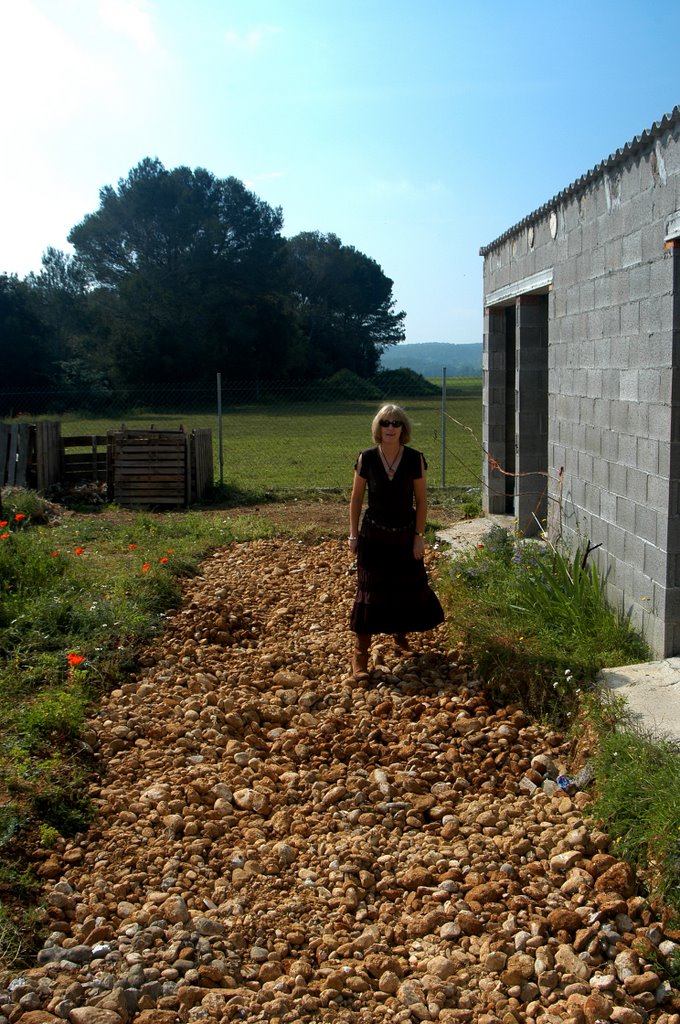
The local river stones have been used to great effect here on the wall of this building they are obviously a lot stronger than the field stones that we have recovered from our land. Ours should be tough enough to construct low garden walls and edge paths, sometimes when I look at the piles of stones we have recovered it looks like we could build a town with them. These field stones are very mellow and should make an attractive edging material when combined with the grits we have also recovered.

Existing paths are made of rough and badly laid concrete, our plan is to cover them with the same materials we use on the new paths which should help draw the garden together. We will follow their lines because we know that water pipes are probably buried under them. When the house was first built it was not connected to the village water supply but instead used it’s own well.

Tuesday, November 14, 2006

Succulents and stone


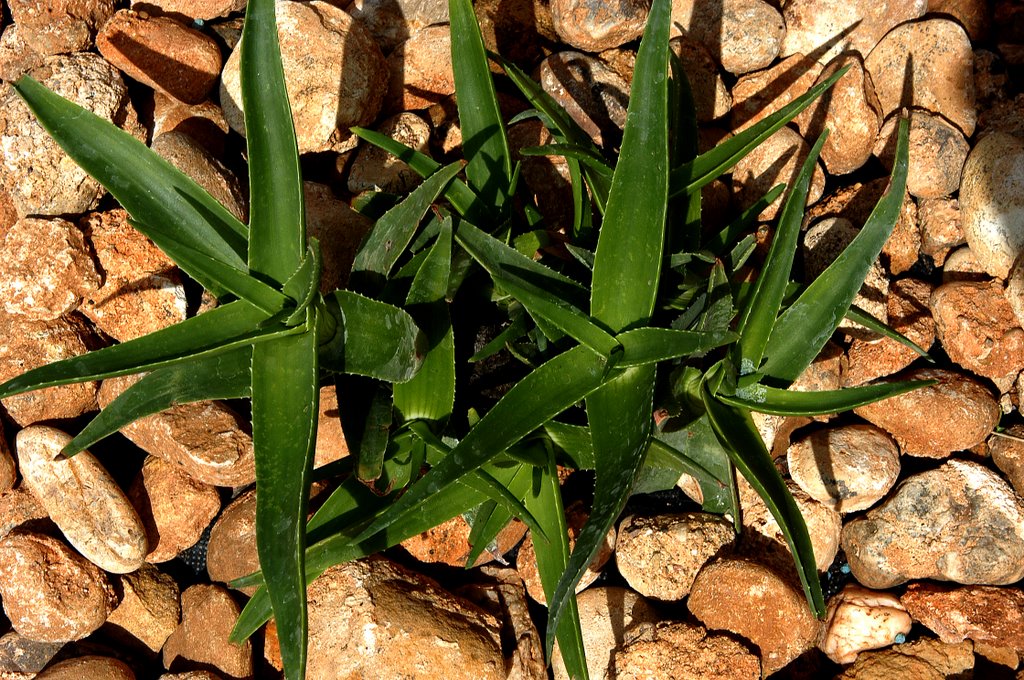
These succulents were rooted from discarded plant material I found on my travels and once they flower it might be possible to identify them. The dark green fleshy foliage shows well against the warm colours in the local stone.

Tuesday, September 05, 2006

The cactus bed


This will eventually be a raised bed to display a very large cactus.
And possibly other succulents too.

We intend to farm rocks. The ground is so rocky that eventually we will make beds and paths from the stones we clear whilst planting.

Standing on the roman road - Wilma


The pit of doom is now filling up, after all the metric tonnes of stones we have dug out of the garden; it now resembles a roman road. 

Somedays we feel like the Flintstones

Monday, January 30, 2006

Landscape design challenge


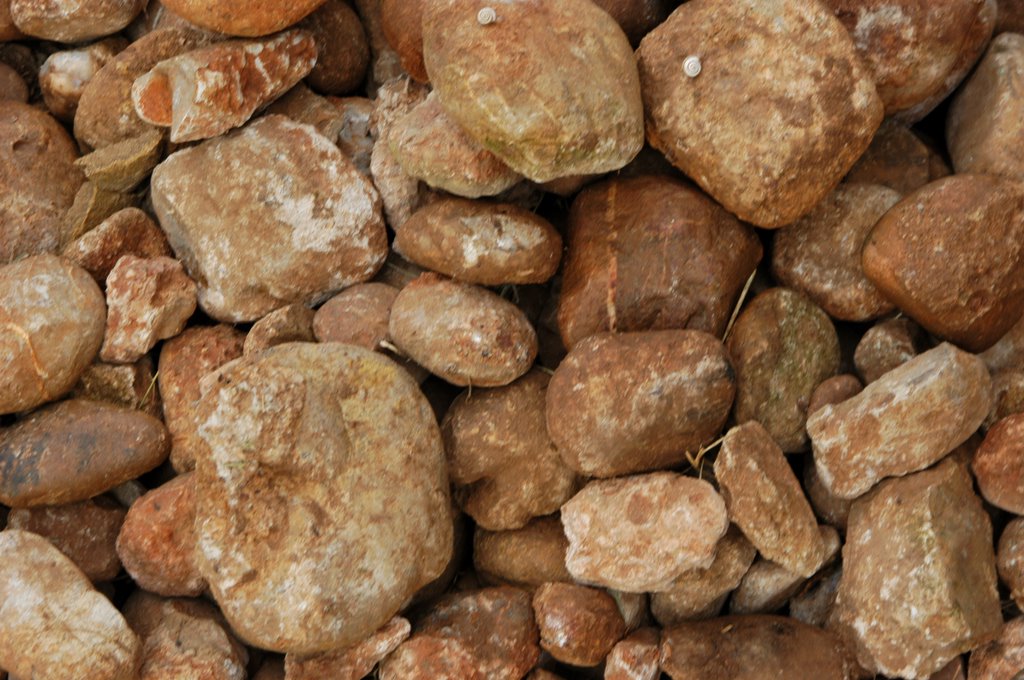
These are the rocks or 'piedra' that we are digging out of the ground. They have been found by riddling the soil by hand, once washed they will be graded into usable sizes . We are considering a number of options to utilise the stones which are abundant.

The 10 - 15 cm pieces will probably mark out the contour of the paths we form.

The 15 - 20 cm pieces will form the walls of raised planting areas.

The 20 - 40 cm pieces will be used to build a circular table with bench style seating.

Individual larger rocks will create steps were required.

Sunday, July 25, 2004

A little light digging


Whenever those home based and armchair gardeners enquire about our activities and attempts to clean up the terrain; then invariably offer advice usually along the lines of 'why don't you just plant potatoes, they will do the work for you'.

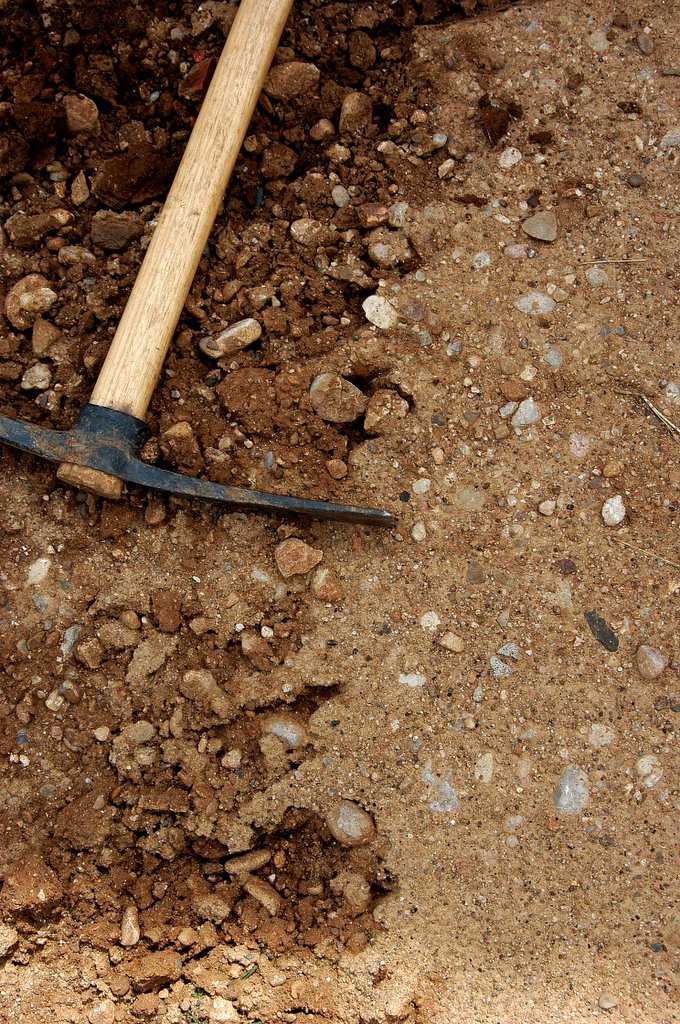
The photograph above shows the cap of the compacted soil broken open with a pick. Even then you can see how shallow the excavation is and just how stony the soil is this is going to be tougher than we imagined and machinery may be the key to our problem plot.

Saturday, July 24, 2004

Weed it and reap.


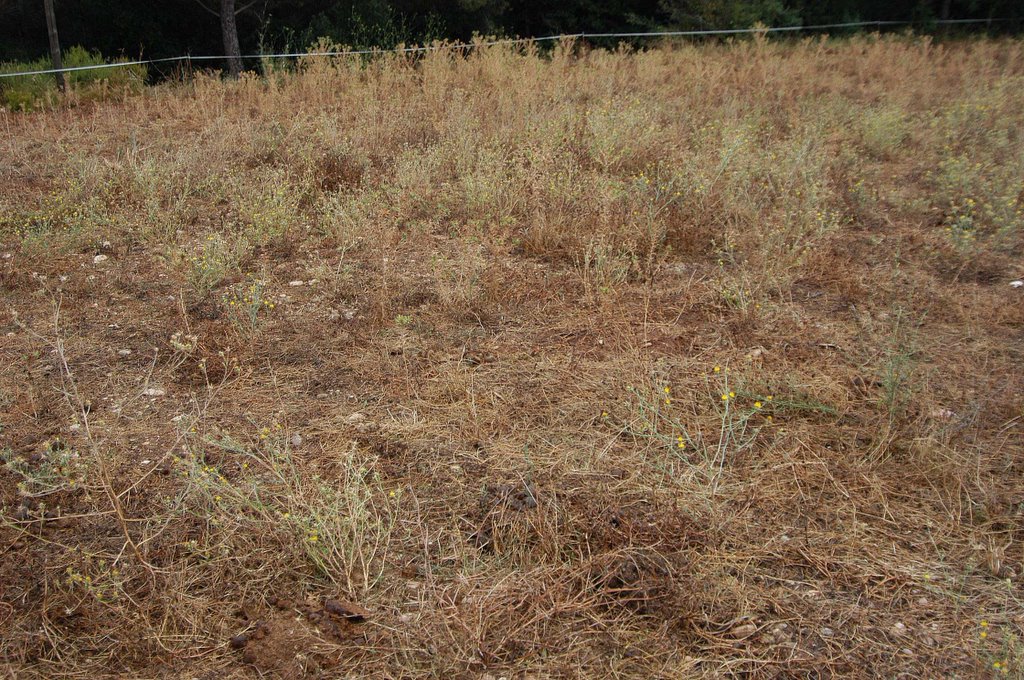
Having bought the house it was time to clear the land.Weed ridden and heavily compacted by the animals and vehicles of the previous owners, the soil was dry Spain was beginning to face it's worst ever drought


Our first thought was that we would allow the shepherds to graze their sheep or goats on the land keeping the weeds down as we turned our hands to the garden around the house.

The finca was now covered in a yellow coloured thistle known as
'pinchon'. This weed was harmful to the animals and would have to be removed.


We worked long hours pulling at the weed but to clear an area the size of three football pitches before the weed could set seed was impossible. The seeds would remain viable for years to come and if we could halt the plant today we would benefit for years to come.

The solution was to buy a strimmer. The new agricultural machine tore through the brush like thistles, wild fennel and other unidentified weeds. We still had to hand rake the cut material and gather all the rocks strewn across the land, so that the machine would not be damaged.


Monday, July 19, 2004

Soil


I used a meter to test the soil, it showed that the land has a Ph of 6.5 a neutral reading that suggests that a wide range of plants could be grown.

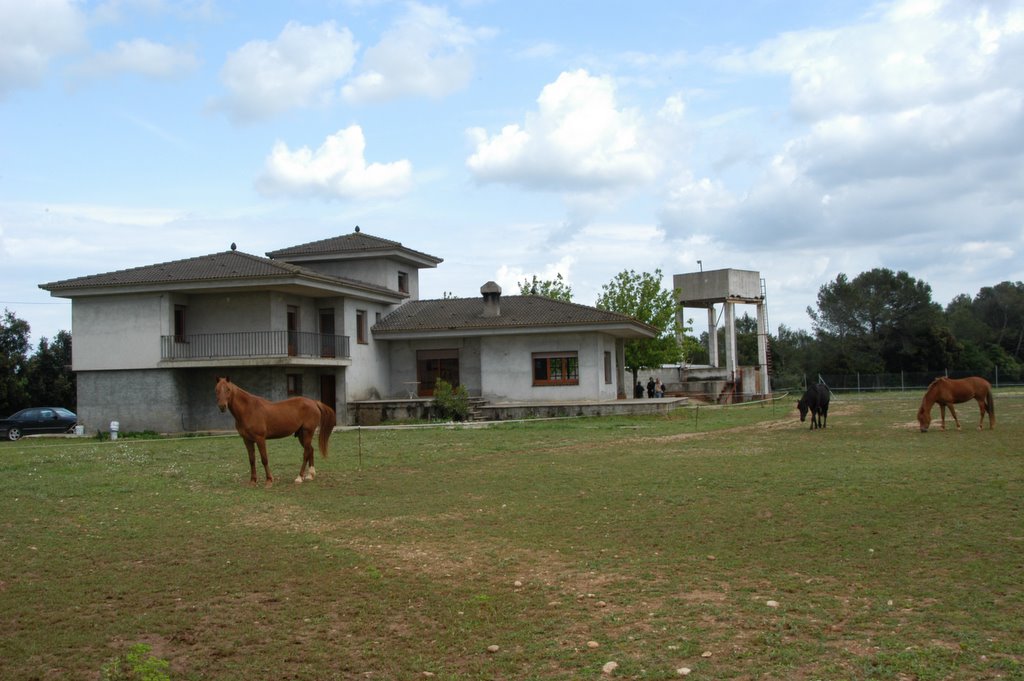
The granular structure of the soil is very fine almost dust like. Despite keeping three horses the land had never been manured. Horse dung was left to lie uncomposted, the waste from the stable was piled at the finca boundaries but unturned; and given to anyone who would carry it away.

Stones were embedded in the soil surface and littered the adjoining farm land. It was only when we tried to dig it that we realised just how bad the land was; so bad we may have to plough it.

In the finca the field shown in the previos post we shall probably plant more trees.